Blog

  • VPNs for Environmental Causes: How Privacy Tech Supports Digital Activism

    VPNs for Environmental Causes: How Privacy Tech Supports Digital Activism

    In today’s interconnected world, environmental activism is as much a digital battle as it is a physical one. Protecting sensitive communications, bypassing censorship, and promoting sustainability are all essential for those fighting for a healthier planet. Virtual Private Networks (VPNs) have become a powerful ally in this mission. For environmental activists and organizations, a VPN is more than a privacy tool — it is a shield for secure advocacy and a bridge for global cooperation.

    1. Securing Communications for Environmental Activists

    For activists operating in regions where environmental advocacy is monitored or suppressed, digital privacy is critical. VPNs encrypt your internet traffic and mask your IP address, creating a secure and anonymous channel for communication.

    This protection allows activists to coordinate campaigns, exchange sensitive documents, and collaborate globally without fear of surveillance or retaliation. In a world where speaking up can be risky, a VPN helps ensure that your voice is heard safely.

    2. Bypassing Censorship to Access Vital Information

    In some countries, environmental reports, scientific research, and global news are censored or restricted. VPNs help bypass these barriers by letting you connect through servers in regions with free and open access to information.

    This means activists can join global discussions, participate in international forums, and share critical data without being blocked. For those advocating for the planet, access to uncensored information is a non-negotiable resource.

    3. Reducing the Digital Carbon Footprint with Eco-Friendly VPNs

    While digital tools consume energy, some VPN providers are working to offset this impact through eco-friendly practices. This includes using data centers powered by renewable energy, optimizing server efficiency, and contributing to carbon offset initiatives such as reforestation.

    Innovative models like Green VPN actively neutralize internet-related emissions by supporting verified reforestation projects. For activists, this means you can secure your privacy while contributing to climate restoration at the same time.

    4. Protecting IoT and Field Devices in Environmental Research

    Environmental research often relies on drones, sensors, and IoT devices to gather data in remote locations. VPN encryption secures the connection from these devices, ensuring that sensitive data is safe from cyber threats or industrial interference.

    By safeguarding field-collected information, VPNs help maintain the integrity of environmental research and protect the work of those on the frontlines of ecological preservation.

    5. Enabling Global Collaboration for Environmental Advocacy

    Environmental movements rely on collaboration across borders. VPNs enable activists, scientists, NGOs, and communities to work together securely on shared platforms and private communication channels.

    This encrypted connectivity allows for effective coordination of campaigns, mobilization of resources, and sharing of strategies without geographical or digital restrictions.

    Why Privacy Tech Matters for Environmental Causes

    VPNs are more than just online privacy tools. They are an essential part of the digital infrastructure that supports environmental activism. From securing sensitive communications to enabling access to critical information, VPNs empower activists to work safely and effectively while aligning with sustainable values.

    If you are committed to protecting both your privacy and the planet, choosing the right VPN is key.

    Download Novix VPN on Google Play to safeguard your environmental advocacy and take action for a greener, freer internet.
  • VPNs for Remote Workers: Protecting Your Data Outside the Office

    VPNs for Remote Workers: Protecting Your Data Outside the Office

    The rise of remote work has completely reshaped how and where we do business. Working from home, in coffee shops, or even abroad brings flexibility and freedom, but it also opens the door to new security risks. Protecting sensitive company data outside the safety of an office network is now more important than ever. This is where VPNs (Virtual Private Networks) step in to give remote workers the privacy and security they need to work with confidence anywhere in the world.

    In this guide, we will break down why every remote worker should use a VPN and how it safeguards your information in today’s fast-changing work environment.

    1. Encrypt Your Data for Maximum Security

    Connecting to the internet from home, a café, or an airport often means using networks that are easy targets for hackers. Without protection, attackers can intercept emails, passwords, business documents, and other sensitive information through man-in-the-middle attacks.

    A VPN solves this problem by encrypting all your internet traffic and creating a secure tunnel between your device and the network. This encryption makes it virtually impossible for outsiders to spy on or steal your data, ensuring your work files, communications, and credentials remain private.

    2. Secure Access to Company Resources

    Many businesses limit access to internal systems, applications, and files to specific networks or IP addresses. A VPN allows remote employees to connect as if they were physically in the office, giving them secure access to essential company resources.

    This protects proprietary information while enabling smooth collaboration and productivity from anywhere in the world.

    3. Protection Against Cyber Threats

    Remote workers are a growing target for cybercriminals through phishing emails, malware attacks, and hacking attempts. Unsecured networks make these threats even more dangerous.

    By hiding your real IP address and encrypting your connection, a VPN significantly reduces your exposure to targeted attacks. This extra layer of protection keeps both your device and your company’s data safe from online threats.

    4. Avoid Bandwidth Throttling for Better Performance

    Internet Service Providers sometimes slow down connections for certain activities like video calls, file transfers, or large uploads. This can be frustrating when you are in the middle of an important meeting or sending a big project file.

    A VPN hides the nature of your traffic so ISPs cannot selectively slow it down. The result is smoother video conferencing, faster file uploads, and consistent connection speeds that keep your work flowing.

    5. Bypass Geo-Restrictions and Network Blocks

    Remote work can take you to places where the internet is restricted. Whether it is government censorship, hotel firewalls, or blocked platforms on public Wi-Fi, these obstacles can disrupt your ability to work.

    With a VPN, you can connect to servers in different countries, bypassing these restrictions and ensuring uninterrupted access to the tools and websites you need.

    Why Every Remote Worker Needs a VPN

    VPNs are no longer just a bonus for privacy enthusiasts. They are essential for secure remote work. From encryption and secure access to protection against cyber threats and uninterrupted connectivity, VPNs allow remote workers to operate safely and effectively from anywhere.

    Whether you are a freelancer, a hybrid worker, or part of a global team, a VPN is one of the smartest investments you can make for your data security.

    Getting Started with VPNs for Remote Work

    • Choose a VPN provider with strong encryption protocols and a strict no-logs policy
    • Install VPN apps on all work devices including laptops, tablets, and smartphones
    • Use your VPN every time you access sensitive company data or connect to public networks
    • If needed, use split tunneling to separate work-related traffic from local browsing

    Ready to secure your remote work?
    Download Novix VPN on Google Play and protect your data wherever your office happens to be today.

  • Everyday Uses for VPNs You Probably Didn’t Know About

    Everyday Uses for VPNs You Probably Didn’t Know About

    When most people hear “VPN,” they think “privacy” and “security.” Fair enough. That is the core reason VPNs exist. But if that is all you think they are good for, you are missing out on a whole menu of everyday perks. VPNs are not just digital invisibility cloaks. They are also your secret weapon for saving money, unlocking content, boosting gaming, and securing everything from your laptop to your smart fridge.

    Let’s break down some practical ways you can use a VPN right now that go far beyond the basics.

    1. Save Money by Outsmarting Location-Based Pricing

    Online shops and booking sites love charging different prices based on where you are browsing from. Flights, hotels, and even gadgets can be priced higher just because of your IP address. With a VPN, you can switch between virtual locations, clear your cookies, and hunt down the best deals globally. It is like bargain hunting with a jetpack.

    2. Unlock the Full Internet

    Everyone knows VPNs can get you Netflix libraries from other countries. But that is just the start. They also let you access blocked social media, news sites, messaging apps, and work tools even in regions with heavy internet restrictions. Whether you are traveling or just stuck behind a firewall, a VPN keeps your internet yours.

    3. Level Up Your Gaming

    Lag and ping spikes are the enemy. A VPN can route your traffic through faster paths to game servers, smoothing gameplay. It also shields you from DDoS attacks and other online threats. If you game competitively, this can be the difference between winning and rage quitting.

    4. Lock Down Your Smart Home

    Your TV, security cameras, thermostat, and doorbell are all online and hackers know it. If you run a VPN on your router, every single device in your home gets encrypted traffic. That means your gadgets stay protected without you having to configure each one separately.

    5. Beat ISP Throttling

    Some ISPs slow your connection for specific activities like streaming or torrenting. A VPN hides your activity so they cannot target it. The result is consistent speeds whether you are bingeing in 4K, downloading large files, or doing both at the same time.

    6. Browse Like a Local Anywhere

    Switch your VPN location to another country and suddenly you get their version of the internet. You see local search results, prices, ads, and news. It is a goldmine for travelers, marketers, or anyone curious about what the web looks like elsewhere.

    7. Bypass School or Work Restrictions

    Workplaces and schools often block non-essential sites. With a VPN, your encrypted connection slips right past those filters. You stay productive and connected without unnecessary roadblocks.

    8. Stay Safe on Any Wi-Fi

    Public Wi-Fi is a hacker buffet. Even home networks can be targeted if they are not set up securely. A VPN encrypts your data so your passwords, banking details, and messages stay locked up no matter where you connect.

    9. Share Files Privately

    VPNs protect your identity and encrypt peer-to-peer traffic, making file sharing safer and harder for anyone to snoop on. Plus, it helps avoid ISP slowdowns that often happen when you use P2P.

    10. Reduce Ads and Tracking

    Advertisers track you online like it is a full-time job. A VPN hides your IP and scrambles your data, making it harder to build a profile on you. Services like Novix VPN even block known ad and tracking domains before they load.

    The Bottom Line

    VPNs are not just about privacy anymore. They are about control. Control over what you see, what you pay, and who can see you. Whether you want better deals, more content, faster gaming, or rock solid security, a VPN is a modern internet essential.

    Get started today. Download Novix VPN on Google Play and see how much better your online life can be.

  • Top 5 VPN Myths Busted: What You Really Need to Know

    Top 5 VPN Myths Busted: What You Really Need to Know

    Virtual Private Networks (VPNs) have become essential tools for privacy, security, and online freedom. However, along with their rising popularity, misconceptions about what VPNs can and cannot do have also spread widely. Let’s clear up the confusion and debunk the top 5 most common VPN myths—so you know exactly what to expect from a VPN service.

    Myth 1: VPNs Make You 100% Anonymous Online

    Reality: A VPN enhances your privacy by encrypting your internet traffic and masking your IP address, making it harder for websites, ISPs, and advertisers to track your online activities. However, complete anonymity is impossible just by using a VPN alone. If you log into accounts with your real identity or share personal info online, your anonymity is compromised. Also, the VPN provider itself may still see your activity, which is why choosing a trustworthy provider with a strict no-logs policy is crucial.

    Myth 2: VPNs Significantly Slow Down Your Internet

    Reality: While VPNs can introduce slight latency due to encrypting and routing your data through remote servers, a well-optimized VPN with servers near your location often has minimal impact on speed. In some cases, VPNs can even improve your browsing speed by bypassing ISP throttling or congested routes. Choosing the right VPN server and provider can make a big difference.

    Myth 3: Only People Doing Illegal Things Need a VPN

    Reality: VPNs are for everyone who values internet privacy and security—not just those hiding illicit activity. They protect sensitive information on public Wi-Fi, help avoid intrusive tracking and profiling, and allow users to safely access blocked content for work, travel, education, or entertainment. Using a VPN is a smart prevention measure, not an implication of wrongdoing.

    Myth 4: Free VPNs Are Just as Good as Paid Ones

    Reality: Free VPNs usually have significant limitations such as fewer servers, slower speeds, data caps, and weaker security. Worse, some free services monetize by selling user data to third parties, which defeats the purpose of using a VPN. Paying for a reputable VPN service ensures stronger privacy protections, reliable performance, and better customer support.

    Myth 5: VPNs Protect You from All Online Threats

    Reality: A VPN secures your internet connection and hides your IP, but it is not a cure-all. VPNs do not protect against phishing attacks, malware infections, or account breaches caused by weak passwords. For complete cybersecurity, VPNs should be combined with other safeguards such as antivirus software, cautious browsing habits, and two-factor authentication.

    Why Understanding These Myths Matters

    Misconceptions can lead to overestimating what VPNs do or underusing them due to doubts. Knowing the real capabilities and limitations helps you use VPNs effectively—whether for boosting privacy, securing public Wi-Fi, bypassing censorship, or gaming online. Always pick VPNs with transparent privacy policies, robust encryption, and reliable reputations.

    If you want further guidance on how to choose a VPN or maximize your VPN benefits, feel free to ask!

  • Behind the Scenes of VPNs – Straight Talk from the Experts

    Behind the Scenes of VPNs – Straight Talk from the Experts

    We recently hosted a lively Q&A with the developers and engineers behind today’s leading VPN services. This session dug deep into what it really takes to build and maintain a trustworthy, high-performance VPN. We covered everything from no-logs policies to speed challenges, privacy laws, and common VPN myths.

    Whether you are looking for the best VPN for privacy, wondering how VPNs stay fast while staying secure, or curious about what actually happens when a government demands user data, this Q&A will give you the answers straight from the experts.

    1. How do you make sure a VPN is truly “no-logs”?

    It starts with infrastructure designed so there is literally nowhere for logs to be stored. We use RAM-only servers, meaning all operational data is automatically wiped whenever the server reboots. We disable or remove any services that store session data, and only keep aggregated, anonymous performance metrics. This is not just a promise  the system is built so logs cannot exist, even if we wanted them to.

    2. What’s the biggest challenge in building a VPN that’s both secure and fast?

    Speed and security can work together, but it takes careful engineering. Strong encryption consumes processing power, which can slow connections. To balance this, we use optimized protocols like WireGuard, strategically place servers worldwide, and dynamically scale bandwidth. Neither speed nor security needs to be sacrificed  but it takes constant tuning.

    3. Why do some VPNs work great one day and slow the next?

    Most often it’s due to server traffic or internet routing issues. If a server is overloaded or internet routes are congested, speeds can drop. We monitor usage in real time and reroute traffic when needed. Occasionally, issues like ISP restrictions or submarine cable outages can slow things down unexpectedly.

    4. Do users expect too much from a VPN?

    Yes. A VPN hides your IP address, encrypts your data, and blocks many trackers, but it is not an invisibility cloak. If you log into Facebook, Facebook still knows it’s you. A VPN should be part of a broader online privacy strategy, not your only defense.

    5. How do you choose which countries to host servers in?

    We review each country’s internet freedom laws, data retention rules, and infrastructure stability. Countries that require VPNs to log user activity are excluded. We prefer fewer locations with strong privacy laws over a larger network with questionable jurisdictions.

    6. What happens if a government demands user data?

    We comply with legal obligations, but because we store no identifiable logs, there is nothing meaningful to hand over. The way our systems are designed means that even if compelled, the requested data simply does not exist.

    7. How much user data is actually needed to run a VPN well?

    Very little on an individual basis. We only need essential account information, like your email address and payment details, plus anonymized statistics to help us maintain performance. Your actual browsing data never reaches us.

    8. What’s the hardest part of keeping a VPN secure over time?

    Hackers constantly evolve their tactics, and encryption methods eventually become outdated. Security is a never-ending process. We continuously patch vulnerabilities, upgrade protocols, and monitor for new threats. It’s like painting a bridge  once you finish, you start over again.

    9. How are new VPN features tested?

    We run lab simulations, conduct closed beta tests with selected users, and stress-test new features before rolling them out gradually. This staged release process helps catch unexpected issues early.

    10. What does a typical day for a VPN engineer look like?

    About 30% coding, 30% reading server logs, 30% problem-solving meetings, and 10% unplanned incidents — often in the middle of the night. Coffee is a constant factor.

    11. What’s the biggest VPN myth that makes you cringe?

    That VPNs make you immune to phishing or malware. A VPN protects your privacy but cannot stop you from downloading malicious files.

    12. Do you personally use your own VPN?

    Yes, every day. But even engineers occasionally forget to connect before starting a download. It happens to everyone.

    13. Can VPNs really block ads and trackers?

    Yes, but with limits. We can block known ad domains and trackers before they reach your device, but the ad industry constantly invents new tracking methods. It’s an ongoing battle.

    14. If the internet was redesigned for privacy, would VPNs still exist?

    In a perfect world where the internet was private and encrypted by default, VPNs would not be necessary. Until then, they remain one of the most effective tools for protecting online privacy.

    Protect your privacy today. Download Novix VPN on Google Play

    This behind-the-scenes look shows what makes VPNs powerful privacy tools  and where their limits lie. If you have more questions about VPN technology, online anonymity, or internet security, feel free to reach out to our team.

  • Why VPNs Matter for Teenagers’ Privacy in the Digital Age

    Why VPNs Matter for Teenagers’ Privacy in the Digital Age

    Let’s be honest: teenagers live online. Whether it’s school research, gaming, chatting, or scrolling endlessly through social media, their digital footprints are everywhere. And while that can feel like the norm, it also means they’re constantly exposed to tracking, surveillance, and sometimes worse  all without really realizing it.

    This is where VPNs (Virtual Private Networks) come in. Not just for tech nerds or international travelers, VPNs are quickly becoming essential for protecting the online privacy of teens growing up in a very public internet.

    1. Keeping School and Public Wi-Fi From Spying on Them

    Teens use school Wi-Fi. They use public Wi-Fi. They even connect to the random café down the street with “Free” in the name  and none of it is secure.

    Here’s what a VPN does in that situation:

    • Encrypts data so no one on the same network (including hackers or nosy admins) can see what they’re doing.
    • Hides their IP address, meaning their real location and identity stay off the radar.
    • Secures logins, messages, and browsing, keeping social media accounts and school portals safe from interception.

    For teens constantly connected on the go, this is the digital version of locking your front door.

    2. Getting Around Restrictions  Without Giving Up Privacy

    Schools and even home networks often block websites  sometimes for good reason, sometimes not so much. VPNs can bypass these blocks by routing traffic through different servers.

    That means teens can:

    • Access blocked educational platforms, forums, or sites that are unfairly restricted
    • Browse more freely, even during study sessions or group projects
    • Maintain some digital autonomy in spaces where monitoring is heavy

    But here’s the key  this only works well when there’s an open conversation happening between teens and parents. VPNs aren’t meant to be rebellion tools. They’re privacy tools. Balance matters.

    3. Blocking Trackers and Creepy Online Profiling

    Teens are prime targets for data profiling  not just by advertisers but by platforms that track behavior, habits, clicks, and preferences to feed algorithms and push ads.

    A VPN helps cut that off at the source by:

    • Blocking third-party tracking attempts
    • Encrypting browsing so activity can’t be logged or monetized
    • Reducing the risk of targeted ads based on age, gender, or browsing history

    In other words, it lets them browse without being turned into marketing data.

    4. Protection From Cyberbullying and Online Harassment

    Cyberbullying isn’t just toxic comments  it can turn dangerous fast. VPNs can help reduce exposure to more serious forms of harassment, like:

    • Doxing, where someone digs up and shares private info
    • Swatting, where fake emergency calls lead police to someone’s home
    • Gaming harassment, where bullies target players based on IP or location

    By hiding a teen’s IP and encrypting their traffic, a VPN can prevent others from finding or following them across platforms. It adds a layer of safety they won’t even realize they needed until it matters.

    5. Unlocking Safe Access to the Wider World

    Sometimes teens just want to learn. A VPN lets them explore beyond local restrictions by:

    • Unblocking educational content that’s limited by region
    • Joining global forums, classes, or communities for learning, support, or collaboration
    • Accessing diverse perspectives in research or media

    This kind of access helps teens grow into global thinkers  without exposing themselves to unnecessary risk.

    6. VPNs and Parental Controls: Can They Work Together?

    Here’s the complicated part  yes, VPNs can allow teens to bypass some parental or school restrictions. But that’s not inherently bad. What matters more is the why behind their use.

    For Parents:

    • Don’t just install controls  have conversations.
    • Make space to talk about privacy, safety, and digital boundaries.
    • Use device monitoring tools if needed, but prioritize trust over surveillance.
    • For younger users, consider VPNs that include built-in parental controls.

    The goal isn’t to control teens  it’s to empower them to make smart decisions.

    7. Choosing the Right VPN for Teen Privacy

    All VPNs aren’t created equal  and some free ones can actually make things worse by collecting and selling data.

    When picking a VPN for your teen, look for:

    • No-logs policy — so their activity isn’t being stored
    • Strong encryption — like WireGuard® or OpenVPN
    • Kill switch — to block internet access if the VPN drops
    • Android support — since most teens are on mobile
    • Built-in protection — like ad blocking or malware filters

    Avoid sketchy free VPNs unless they come from trusted, transparent companies.

    Final Thoughts

    Teenagers deserve privacy, just like everyone else  especially in a world where they’re online more than ever. A VPN helps protect that by encrypting data, hiding identities, and preventing unwanted tracking or targeting.

    But a VPN isn’t just a tool. It’s part of a larger conversation about trust, boundaries, and digital literacy. Used responsibly, it empowers teens to explore, learn, and connect safely — without handing over their information to whoever happens to be watching.

    Bottom line? Privacy isn’t a luxury. It’s a right  and it starts with protection that actually works.

    Download Novix VPN for Android

    Available now on Google Play
    Secure your teen’s digital world with one tap.

  • Using Novix VPN for Secure Online Shopping and Payments

    Using Novix VPN for Secure Online Shopping and Payments

    Shopping online is part of everyday life now  whether you’re grabbing something on sale, paying bills, or ordering late-night snacks from your phone. But with the convenience comes real risk. Your payment info, personal data, and browsing habits are constantly being tracked, stored, or exposed, especially if you’re connected to public Wi-Fi or unsecured networks.

    That’s where Novix VPN for Android comes in. If you’re looking for a VPN that doesn’t just say it protects you  but actually does this is the one to keep in your pocket.

    Download Novix VPN on Google Play

    Why You Need a VPN When Shopping or Paying Online

    Every time you type in your card number or billing address on a shopping app or browser, you’re handing over valuable personal data. On unsecured networks  like at cafes, airports, or even random hotspots that data can be intercepted. Hackers and malicious actors are always on the lookout for vulnerable users, and mobile devices are prime targets.

    Using a VPN encrypts everything you do online. It creates a secure, private tunnel between your Android device and the internet so even if someone tries to snoop, they won’t see a thing.

    How Novix VPN Keeps Android Users Safe

    Novix VPN is built for speed, privacy, and simplicity. Whether you’re shopping, paying bills, or checking your banking app, here’s how it protects you:

    Strong, Fast Encryption with WireGuard®

    Novix uses the WireGuard® protocol  it’s fast, efficient, and doesn’t slow your device down while delivering top-tier security. Perfect for smooth checkouts, secure app use, and browsing without lag.

    No-Logs Policy

    Unlike some free VPNs that quietly track everything, Novix keeps zero logs. What you browse, where you shop, and what you pay stays between you and your Android device.

    Built-in Kill Switch

    If the VPN disconnects unexpectedly, Novix cuts your internet connection instantly. No awkward data leaks in the background  just a hard stop until you’re safely reconnected.

    Hidden IP = Hidden Identity

    Your real IP address reveals your location and can link your activity back to you. Novix hides it, making it much harder for hackers, advertisers, or even shopping platforms to track or profile you.

    Public Wi-Fi Protection

    Shopping on hotel Wi-Fi? Connected to a random hotspot? Novix VPN wraps your traffic in military-grade encryption, even on networks that aren’t secure.

    Extra Perks for Android Shoppers

    Access Deals Not Available in Your Region

    Many apps and sites adjust prices based on your location. With Novix VPN, you can connect through different countries and check for region-specific deals or exclusive discounts.

    Blocks Trackers and Malicious Ads

    Online stores are full of trackers and pop-ups. Novix filters out known malicious sites and adware, keeping your mobile shopping experience clean and secure.

    Protects All Your Android Devices

    Using multiple Android phones or tablets? With Novix’s premium plans, you can protect up to 5 Android devices at the same time with one account. No juggling logins.

    Quick Tips for Secure Mobile Shopping with Novix

    • Turn on Novix VPN before opening shopping or banking apps.
    • Enable the kill switch to protect your data if the network drops.
    • Use secure, unique passwords for your shopping accounts.
    • Keep Novix updated to stay protected against the latest threats.

    Final Word

    If you’re shopping or making payments on your Android phone, a VPN isn’t optional anymore it’s the bare minimum for protecting your personal and financial information.

    Novix VPN gives you encrypted connections, zero-logs privacy, and serious protection on any network  all through a clean, fast, Android-only app that just works.

    Download Novix VPN on Google Play and secure every tap, scroll, and checkout on your phone.

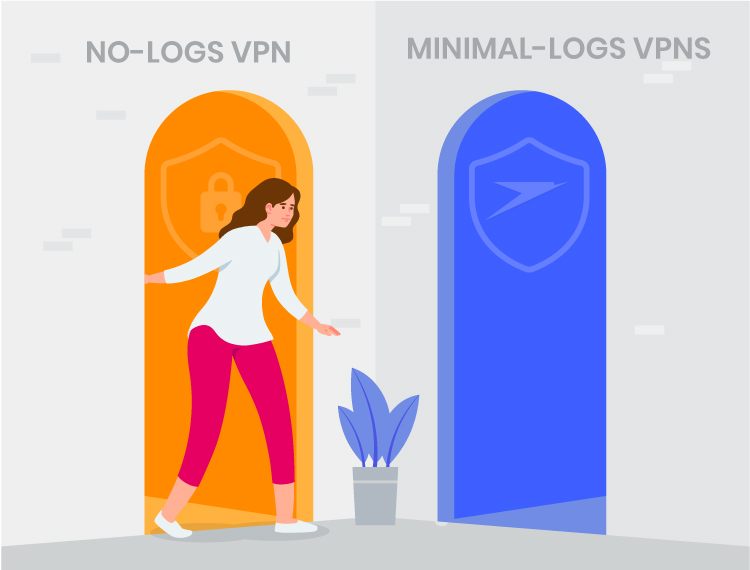
  • No-Logs vs. Minimal-Logs VPNs: What’s the Real Difference?

    No-Logs vs. Minimal-Logs VPNs: What’s the Real Difference?

    When you’re picking a VPN, you’ll see “no-logs” slapped on just about every website. But here’s the thing: most of the time, it’s not that simple. The difference between a no-logs VPN and a minimal-logs one actually matters, especially if you care about what happens to your data behind the scenes.

    What Exactly Is a No-Logs VPN?

    A no-logs VPN doesn’t keep track of what you’re doing online. Not the sites you visit, the files you download, the apps you use none of it. They also don’t keep:

    • Connection times
    • Your real IP address or the one they assigned you
    • How much data you used

    Basically, they don’t have anything on you. So even if someone knocks on their door asking for your info, there’s nothing to hand over. That’s the whole point.

    What About Minimal-Logs VPNs?

    A minimal-logs VPN keeps a small amount of data but it’s usually limited to stuff they need to run the service properly. Think:

    • Temporary connection logs to stop abuse or manage how many devices you’re using
    • Anonymous stats to improve performance
    • Billing info for subscriptions

    It’s still way more private than what your internet provider does, but it’s not airtight. Some of these logs (like IP addresses or connection times) can still be sensitive if they fall into the wrong hands or get subpoenaed.

    Why This Actually Matters

    • Privacy: No-logs = true anonymity. Minimal-logs = better than nothing, but there’s still a paper trail.
    • Security: If there’s a data breach, a no-logs VPN has nothing useful to leak.
    • Legal Stuff: If authorities come knocking, minimal-logs VPNs might have something to hand over. No-logs VPNs don’t.
    • Trust Factor: The best VPNs get independent audits to prove their no-logs claim. Some just say it and hope you won’t check.

    Final Thoughts

    If privacy is your top priority, don’t settle for vague promises. Look for a no-logs VPN that’s actually been audited. If you’re okay trading a bit of privacy for convenience or budget, a minimal-logs VPN might work too—just read the fine print so you know what you’re signing up for.

    Bottom line? No-logs means nothing can be traced back to you. Minimal-logs means something might. Choose based on what matters most to you.

  • How Bloggers and Influencers Actually Use VPNs to Protect Their Work

    How Bloggers and Influencers Actually Use VPNs to Protect Their Work

    Being a blogger or influencer today isn’t just about posting cute reels or writing nice captions. Your brand is your business, and your business lives online — which means it’s constantly exposed to risks you probably didn’t sign up for. From hackers snooping on public Wi-Fi to region blocks that limit your reach, there’s more going on behind the screen than just scrolling and sharing.

    One simple tool that makes a big difference? A VPN. Here’s how creators use it to protect their brand without breaking their flow.

    1. Staying Safe on Sketchy Wi-Fi

    Cafes, airports, co-working spaces — they’re great for getting content done, but not great for privacy. Public Wi-Fi is often wide open for cyber creeps. A VPN locks down your connection, encrypts your traffic, and hides your real IP. So even if someone’s trying to spy, they get a whole lot of nothing. That means your logins, emails, and messages stay yours.

    2. Keeping Your Reputation Intact

    You’ve worked too hard building your online presence to lose it to a random hack. A VPN makes it harder for attackers to track or target you. It hides your digital footprints and location, making account takeovers and leaks a lot less likely. Fewer breaches, fewer headaches.

    3. Getting Around Region Blocks

    Need to see how your campaign looks in another country? Want to access tools, platforms, or media not available in your region? A VPN lets you hop virtual borders by connecting through servers in different countries. This comes in handy for trend research, global reach analysis, or just getting inspiration without limits.

    4. Stopping Throttling Mid-Upload

    If your internet randomly slows down every time you go live or upload a large file, you might be getting throttled. ISPs sometimes cut your speed based on what you’re doing online. VPNs hide your activity from your provider, so you can stream, post, and upload without lag or interruption.

    5. Secure Collabs and File Sharing

    Sending files, draft campaigns, or personal info to brands and agencies? Don’t do it on an open connection. A VPN encrypts everything so it can’t be intercepted in transit. That means private stays private  and your creative work doesn’t get leaked before it’s ready.

    6. Managing Multi-Accounts and SEO by Region

    Running multiple accounts? Want to see how your posts look in different countries? VPNs help simulate locations, so you can test engagement, tweak captions, or check SEO visibility like someone based in that country. This kind of insight helps creators post smarter, not harder.

    Final Thoughts

    VPNs aren’t just for tech bros or people watching Netflix from 10 countries. If you’re creating online, they’re one of the easiest ways to stay in control of your brand, protect your work, and keep things running smoothly.

    It’s not about being paranoid  it’s about being prepared.

  • VPNs and Freelancers: Essential Tools for Digital Nomads

    VPNs and Freelancers: Essential Tools for Digital Nomads

    Freelancing lets you work from anywhere. A noisy café in Bali, a co-working space in Lisbon, or your bed at 3 a.m. But that freedom comes with a few trade-offs. Public Wi-Fi isn’t safe. Some websites randomly don’t load depending on where you are. And your online activity? It’s often being tracked.

    That’s where VPNs come in. They’re not just useful anymore. They’re a basic need.

    Why VPNs Matter for Freelancers

    1. Public Wi-Fi is risky, and you’re probably using it

    Airports, hotels, cafes. They’re convenient, but open Wi-Fi is a hacker’s playground. A VPN encrypts your data. So even if someone’s trying to snoop, all they’ll see is scrambled nonsense.

    2. You don’t want strangers or governments watching you

    When you’re working from different countries, your internet traffic can get logged by local ISPs or monitored by whoever’s in charge of the internet there. A VPN hides your IP address and keeps your work private.

    3. Geo-blocks are annoying

    Whether it’s a client’s internal site, your bank account, or a SaaS tool you rely on, some stuff just refuses to load outside specific regions. With a VPN, you choose the country you want to appear from and move on with your life.

    4. It builds trust with clients

    Using a VPN shows you’re thinking ahead about data protection. That’s a good look when you’re handling confidential files, calls, or passwords. It says you take their work seriously.

    What to Look For in a VPN

    Strong encryption like AES-256

    No logs. They shouldn’t be saving or selling your browsing data

    A wide range of server locations for flexibility and better speeds

    Multi-device support so it works on all your gear

    Kill switch and DNS leak protection to avoid accidental IP leaks

    Responsive customer support in case anything goes wrong

    Other Tools Freelancers Rely On

    Password managers like Bitwarden or 1Password

    Cloud storage such as Google Drive or Dropbox

    Project management tools like Trello, Notion, or ClickUp

    Communication platforms like Zoom, Slack, or Discord

    Final Thoughts

    If you’re working online, especially while moving around, a VPN is essential. It keeps your connection safe, your data private, and your workflow smooth. You don’t have to overthink it. Just get one that works and focus on what actually matters — your clients, your work, and your peace of mind.